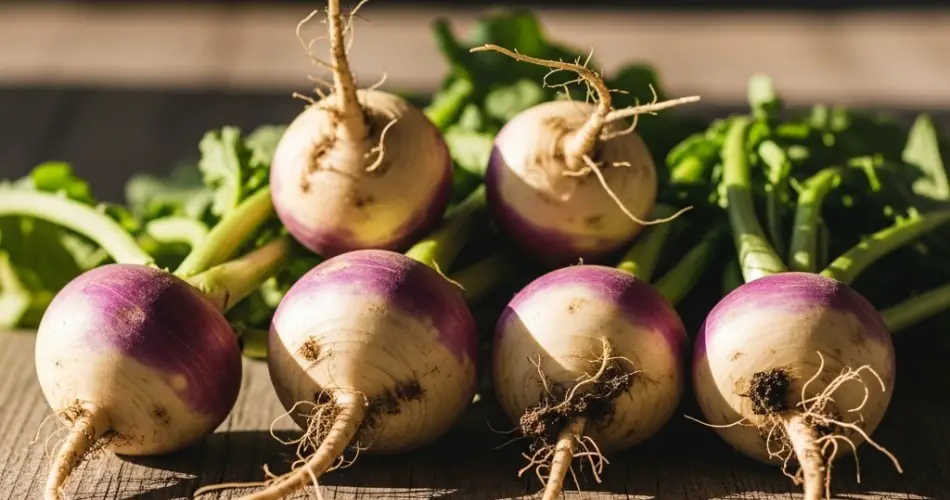
Turnips are a fast-growing and nutritious root vegetable that can be cultivated in both spring and fall. They are relatively easy to grow, but even experienced gardeners can run into issues if a few essential practices are overlooked. To get the best results and harvest healthy, flavorful turnips, it’s important to avoid these common mistakes.
1. Planting at the Wrong Time
Timing is key when it comes to turnips. Many gardeners make the mistake of planting them during the wrong season. Turnips prefer cooler temperatures and grow best in early spring or late summer for a fall harvest. If planted in the heat of summer, they tend to bolt (go to seed), resulting in bitter roots and tough greens. Aim to plant turnip seeds when soil temperatures are between 10°C and 24°C (50°F to 75°F).
2. Using Poor Soil
Turnips need loose, well-draining, fertile soil to develop properly. Heavy clay or compacted soil can restrict root development and cause deformed or stunted turnips. Before planting, loosen the soil to a depth of 8 to 10 inches and mix in compost or well-rotted manure to boost fertility. Avoid over-fertilizing with nitrogen-rich products, as this can promote leaf growth at the expense of root formation.
3. Neglecting Soil pH and Nutrient Balance
Soil that is too acidic or alkaline can hinder turnip growth. A slightly acidic to neutral pH of 6.0 to 6.8 is ideal. Perform a soil test to determine your garden’s pH and nutrient levels, and make adjustments with lime or sulfur as needed. Also ensure the soil has enough phosphorus and potassium, which support root development.
4. Overcrowding Plants
Plant spacing matters. Crowding turnips can result in small or poorly developed roots. Sow seeds about 2 inches apart, then thin seedlings to 4 to 6 inches apart once they’re a few inches tall. Rows should be spaced 12 to 18 inches apart. Proper spacing allows for good air circulation, reduces competition for nutrients, and helps prevent disease.
5. Not Watering Consistently
Inconsistent watering is a major reason turnips split or develop a woody texture. These root crops need consistent moisture throughout the growing season, especially as the roots start to form. Aim for about 1 inch of water per week, either from rainfall or irrigation. Avoid letting the soil dry out completely, then soaking it — this sudden change can cause the roots to crack.
6. Ignoring Pest and Disease Issues
Turnips are susceptible to pests like flea beetles, aphids, cabbage worms, and root maggots. These pests can damage both the leaves and roots. Use floating row covers early in the season to prevent infestations. Crop rotation is also important, especially if you’ve grown other brassicas like cabbage or kale in the same spot recently. Diseases like clubroot and downy mildew can also affect turnips, so make sure the soil is well-drained and rotate crops each year.
7. Not Harvesting at the Right Time
Another common mistake is waiting too long to harvest. Turnips are best harvested when they’re still young and tender — usually when they reach 2 to 3 inches in diameter. Larger roots may become woody and lose their sweet flavor. Leaves can be harvested when they are young and tender as well, and doing so doesn’t harm the root growth.
8. Failing to Thin the Seedlings
Skipping the thinning process can significantly impact the quality of your harvest. When turnip seedlings are left crowded, they compete for light, space, and nutrients, resulting in small or malformed roots. Thinning might seem like a waste, but it ensures that the remaining plants grow strong and healthy.
9. Overlooking Succession Planting
Many gardeners miss the opportunity to extend their harvest by failing to do succession planting. Since turnips mature in as little as 30 to 60 days, you can sow new seeds every two to three weeks for a continuous supply throughout the growing season — especially in cooler climates.
Final Thoughts
Growing turnips successfully requires attention to timing, spacing, soil preparation, and consistent care. By avoiding these common mistakes, you can enjoy an abundant crop of tender, flavorful turnips that are perfect for soups, salads, roasting, or mashing. With the right approach, even beginner gardeners can enjoy a healthy harvest season after season.


