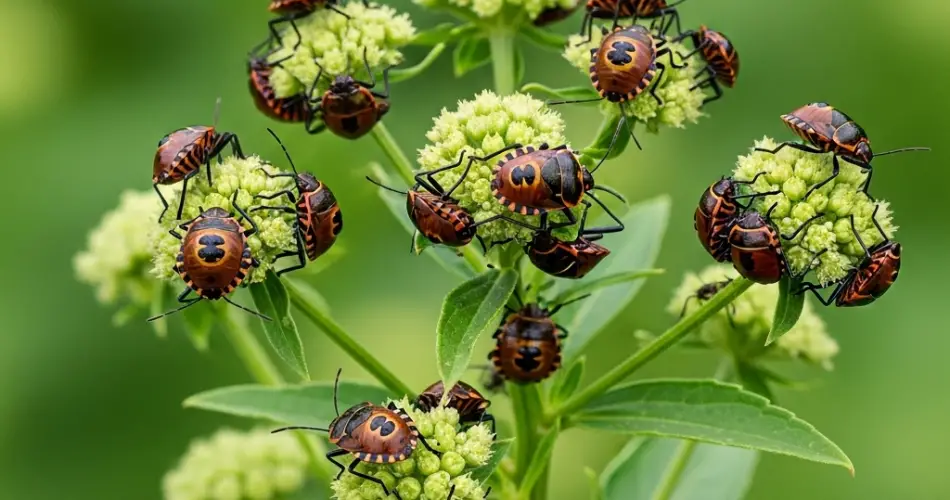
Gardening is a rewarding hobby, but it comes with its challenges—especially when dealing with pests like aphids, flies, and spiders that can damage your beloved plants. While commercial insecticides are available, many gardeners prefer natural and eco-friendly solutions that protect both plants and the environment.
If you’re searching for an effective homemade insecticide that works fast and safely on a variety of common plant pests, you’re in the right place. This article will guide you through a simple, powerful homemade insecticide recipe you can make with common household ingredients. Plus, you’ll learn how to apply it correctly to protect your plants and keep your garden healthy.
Why Use Homemade Insecticides?
Before we dive into the recipe, let’s discuss why homemade insecticides are an excellent choice:
-
Non-toxic and safe: They are less harmful to beneficial insects, pets, and humans.
-
Environmentally friendly: They avoid harsh chemicals that pollute soil and water.
-
Cost-effective: Use ingredients you likely already have at home.
-
Easy to prepare: No need for complicated equipment or chemicals.
-
Customizable: You can tweak recipes depending on the pests you want to target.
Common Plant Pests: Aphids, Flies, and Spiders
-
Aphids: These small, soft-bodied insects suck sap from plant leaves and stems, causing distortion and weakening the plant. They also excrete honeydew, which encourages mold growth.
-
Flies (such as fungus gnats): They can lay eggs in the soil, and their larvae may damage roots.
-
Spiders: While some spiders are beneficial predators, heavy spider mite infestations can damage plants by sucking cell contents and causing leaves to yellow or dry out.
Using a homemade insecticide helps control these pests before they multiply and seriously harm your plants.
Homemade Insecticide Recipe: Ingredients and Preparation
This insecticide recipe combines natural ingredients known for their pest-repelling and insecticidal properties:
Ingredients:
-
1 liter (4 cups) of water
-
2 tablespoons of liquid soap (preferably castile or mild dish soap without additives)
-
1 tablespoon of vegetable oil (such as neem oil, olive oil, or any cooking oil)
-
2 cloves of garlic, crushed
-
1 small onion, chopped
-
Optional: A few drops of essential oil such as peppermint or eucalyptus for extra pest-repellent power
Preparation:
-
In a blender or food processor, combine the garlic, onion, and a small amount of water (about 1/2 cup). Blend until finely chopped and well mixed.
-
Pour the blended mixture into a large container.
-
Add the remaining water, liquid soap, and vegetable oil. Stir well to combine all ingredients.
-
Let the mixture sit for at least 4 hours or overnight to allow the active compounds to infuse.
-
Strain the liquid through a fine mesh sieve or cheesecloth to remove solid bits. Your insecticide spray is now ready.
How to Apply Your Homemade Insecticide
-
Spray Frequency: Apply the insecticide every 3 to 5 days, or immediately after heavy rain. Regular application ensures pests are kept under control.
-
Spray Technique: Spray all parts of the plant thoroughly, especially the undersides of leaves where aphids and spider mites like to hide.
-
Time of Day: Early morning or late afternoon is the best time to apply. Avoid spraying under the midday sun to prevent leaf burn.
-
Test First: Always do a small patch test on one or two leaves before applying widely, especially for sensitive or young plants. Wait 24 hours and check for any adverse effects.
Additional Pest Control Tips
-
Maintain Plant Health: Healthy plants are more resistant to pests. Provide appropriate watering, sunlight, and nutrients.
-
Remove Infected Leaves: Prune and dispose of heavily infested leaves or stems to reduce pest populations.
-
Introduce Beneficial Insects: Encourage ladybugs, lacewings, or predatory mites that feed on aphids and other pests.
-
Keep the Area Clean: Remove fallen leaves and debris to eliminate pest hiding spots.
Why This Insecticide Works
-
Garlic and onion contain sulfur compounds and natural oils that repel and kill many insects.
-
Soap acts as a surfactant, breaking down the protective outer layer of pests’ exoskeletons, causing dehydration.
-
Vegetable oil smothers soft-bodied insects like aphids and spider mites.
-
Essential oils add an extra layer of pest deterrence with strong fragrances.
Together, these ingredients create a potent, yet gentle spray that targets multiple common pests effectively.
Safety Considerations
While this insecticide is made from natural ingredients, it is important to:
-
Store it out of reach of children and pets.
-
Avoid inhaling the spray directly.
-
Use gloves when applying if you have sensitive skin.
-
Do not spray flowering plants when bees or other pollinators are active.
Final Thoughts
Using a homemade insecticide is a smart, natural way to protect your plants from pests like aphids, flies, and spider mites without resorting to harsh chemicals. This simple recipe uses everyday ingredients and can be prepared in minutes, giving you an affordable, effective, and environmentally friendly solution.
Consistent application combined with good gardening practices will keep your plants healthy, vibrant, and pest-free. Try it out and watch your garden flourish without the nuisance of bugs!


