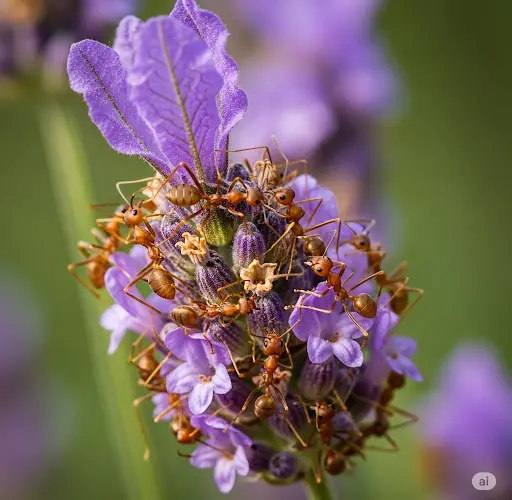
Ants can be both beneficial and frustrating in a garden. While some species help with soil aeration and pest control, many gardeners find ants invading their vegetable patches, flower beds, or fruit trees a nuisance. Ants can farm aphids, damage roots, or build unsightly mounds that disrupt plant growth.
If you’re tired of battling ants year after year, you’re not alone. I discovered a natural, effective method that has kept ants completely away from my garden for over 50 years — and it can work for you too.
This article reveals proven steps and tips to create an ant-free garden environment naturally, without harmful chemicals or complicated traps.
Why Ants Invade Gardens and How to Address It
Ants enter gardens mainly searching for food and shelter. Common attractants include:
-
Sweet nectar or honeydew from aphids and other insects
-
Access to water sources
-
Shelter in warm, dry soil or under mulch and debris
Understanding why ants come to your garden helps you take targeted action to make it inhospitable for them.
Step 1: Remove Food Sources for Ants
One of the most important ways to deter ants is to eliminate their food supply:
-
Control aphid populations: Aphids excrete a sugary substance called honeydew, which ants love. Using natural aphid control methods like neem oil, insecticidal soap, or introducing ladybugs can reduce aphids and thus the ants attracted to them.
-
Clean fallen fruit and plant debris promptly: Rotting fruit or sugary plant sap attracts ants. Remove fallen fruit regularly and keep garden beds clean.
-
Avoid sugary spills: If you eat or drink outside, clean up spills immediately.
Step 2: Use Natural Barriers and Deterrents
Certain natural substances repel ants effectively and safely:
-
Diatomaceous Earth: Sprinkle food-grade diatomaceous earth around plant bases and ant trails. It damages ants’ exoskeletons, causing dehydration.
-
Cinnamon, Coffee Grounds, and Chili Powder: Ants dislike crossing these strong-smelling powders. Create a barrier by sprinkling them around vulnerable plants or garden borders.
-
Vinegar Spray: Mix equal parts white vinegar and water and spray directly on ant trails and nests. The smell disrupts their scent trails, confusing ants.
Step 3: Create an Unfavorable Habitat
Ants prefer warm, dry, and sheltered places for nesting. To reduce nesting opportunities:
-
Keep garden soil loose and well-turned rather than compacted.
-
Avoid thick, damp mulch or leaf litter right next to plant stems where ants can hide. Use thinner mulch layers or alternatives like gravel around plants.
-
Trim back dense ground covers and vegetation near the soil surface to reduce sheltered spots.
Step 4: Encourage Natural Predators
Beneficial insects and animals can help keep ant populations down naturally:
-
Ladybugs and Lacewings: These insects feed on aphids and other small pests that attract ants.
-
Spiders and Birds: Many spiders and birds hunt ants as a food source. Creating a diverse garden habitat encourages these natural predators.
Step 5: Use Effective Homemade Ant Baits
If ants have already established nests, simple homemade baits can eliminate the colony:
-
Mix equal parts sugar and borax powder with enough water to make a syrupy paste. Place this bait on small containers or cardboard near ant trails. The sugar attracts ants, and the borax kills the colony.
-
Be careful to keep these baits away from pets and children.
Long-Term Success: Consistency Is Key
Keeping ants out of your garden isn’t about a one-time fix. It requires regular maintenance and consistent application of these natural strategies. Over time, your garden becomes less attractive and less hospitable to ants, leading them to move on permanently.
Why Avoid Chemical Pesticides?
While chemical pesticides may provide a quick fix, they can harm beneficial insects, contaminate soil, and create resistant ant populations. Using natural methods is safer for your garden’s ecosystem and better for the long-term health of your plants.
Signs Your Ant Control Efforts Are Working
-
You no longer see ant trails or nests in your garden.
-
Plant health improves with fewer aphids and pests.
-
Soil remains loose and aerated without mounds or tunneling damage.
-
Your garden stays clean and free of sticky residues.
Final Thoughts
Ants may be small, but their impact on your garden can be significant. With this natural, proven approach, you can reclaim your garden space and keep ants at bay for decades, just as I have for over 50 years.
By removing food sources, using natural repellents, improving garden conditions, and encouraging beneficial wildlife, you create a healthy, ant-resistant garden environment that promotes strong plant growth and beauty.
Try these steps this season and enjoy an ant-free garden where your plants can thrive undisturbed.


