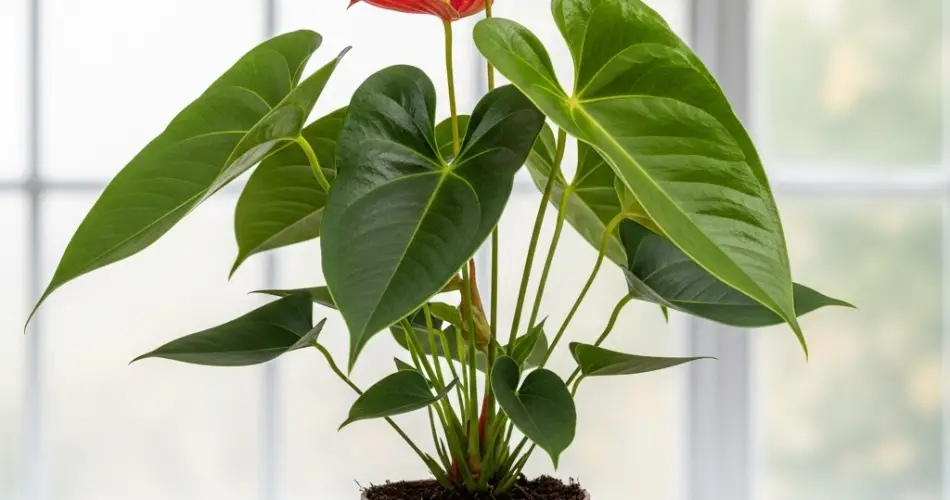
Anthuriums, with their heart-shaped leaves and striking red, pink, or white spathes, bring a touch of the tropics into any indoor space. Known for their long-lasting blooms and bold foliage, these plants are a favorite among indoor gardeners. When grown in containers, anthuriums require specific attention to moisture and light to thrive. With the right conditions, they can bloom throughout the year and make a vibrant addition to any room.
Here’s a complete guide to growing anthuriums in pots, with a special focus on moisture and lighting needs.
Choosing the Right Container
The first step in successful anthurium care is selecting the proper pot. Anthuriums prefer containers that support healthy root development and avoid moisture buildup.
Container Tips:
-
Drainage is essential: Make sure the pot has at least one good drainage hole to prevent water from accumulating at the bottom. Sitting water can lead to root rot.
-
Size matters: Choose a pot that is just slightly larger than the root ball. Too large, and the soil will hold excess moisture. Too small, and root crowding can hinder growth.
-
Material choices: Terracotta pots are breathable and reduce the risk of overwatering, while plastic pots retain moisture better—ideal if you live in a dry climate.
If your plant is already root-bound or struggling to grow, consider repotting it into a container one size larger.
Best Soil for Potted Anthuriums
Anthuriums need a loose, well-draining soil mix that retains some moisture but never stays soggy. Standard potting soil tends to be too dense on its own.
Recommended soil mix:
-
1 part orchid bark or coarse coconut husk
-
1 part perlite
-
1 part high-quality peat-based potting soil
This mixture ensures proper aeration, mimicking the plant’s native rainforest floor environment where roots grow in leaf litter and moss rather than dense soil.
Watering Needs: Moisture Without Overdoing It
Moisture management is one of the most important aspects of growing anthuriums. These plants like to be kept slightly moist but not wet.
Watering Guidelines:
-
Check before watering: Stick your finger an inch into the soil—if it feels dry, it’s time to water. If it still feels moist, wait another day or two.
-
Water thoroughly: When watering, do so until water begins to drain out the bottom. This ensures even moisture throughout the root zone.
-
Let it drain: Never leave the pot sitting in standing water. Empty the saucer if water collects.
During the active growing months (spring and summer), you’ll need to water more often. In cooler months, reduce frequency as the plant enters a rest period.
Light Requirements: Bright but Indirect
Proper lighting is just as important as moisture for a thriving anthurium. These tropical plants love bright conditions but can’t handle direct sun.
Lighting Tips:
-
Bright, indirect light: Place your plant near a window that gets plenty of light filtered through curtains. East- or north-facing windows are ideal.
-
Avoid direct sunlight: Harsh midday rays can scorch the leaves and fade the flower’s color.
-
Low-light tolerance: While anthuriums can survive in lower light, they may stop blooming. If your plant isn’t flowering, try moving it to a brighter spot.
Supplement with grow lights if you don’t have a naturally bright location, especially during winter.
Humidity: Mimicking the Tropics
Anthuriums are native to humid rainforests, so indoor air that’s too dry can affect their health and flowering.
Increase humidity by:
-
Placing the pot on a tray of pebbles filled with water (make sure the pot isn’t sitting in the water)
-
Grouping plants together to create a micro-humid environment
-
Using a room humidifier during dry seasons
Avoid placing anthuriums near heating vents or air conditioners, which can dry the air significantly.
Fertilizing for Lush Growth and Flowers
Anthuriums benefit from regular, balanced feeding. Use a water-soluble fertilizer diluted to half strength.
Fertilizing schedule:
-
Feed once every 6 weeks during spring and summer
-
Reduce or stop feeding in fall and winter
Look for fertilizers with a higher phosphorus ratio (e.g., 10-30-20) to encourage blooming, and always water before fertilizing to prevent root burn.
Monitoring and Maintenance
Keeping your anthurium healthy involves a few simple routine checks:
-
Wipe leaves: Clean the glossy leaves with a damp cloth to remove dust and help the plant breathe.
-
Check for pests: Inspect regularly for signs of spider mites or mealybugs. If spotted, treat with insecticidal soap or neem oil.
-
Prune dead flowers: Remove faded blooms to redirect energy into new growth.
Conclusion
Anthuriums in containers can be a long-lasting, show-stopping feature in any home with the right care. By balancing moisture and light levels, choosing the appropriate pot and soil, and maintaining proper humidity, you’ll set the stage for a healthy plant that produces vibrant, heart-shaped flowers year-round. With a bit of attention, your anthurium will thrive and reward you with beauty and color for years to come.


