When it comes to household cleaning, ammonia has always been one of the most powerful yet controversial products. It’s inexpensive, effective, and versatile, but also highly toxic if used improperly. For this reason, many people shy away from it, not realizing just how useful it can be—even in the washing machine. Yes, you read that correctly: ammonia can actually transform your laundry routine when handled safely and correctly.
Before you rush to add it to your next load, it’s important to understand how ammonia works, how to use it properly, and the safety precautions you should never ignore. Let’s take a closer look at this powerful cleaner and why it might just become a secret weapon in your laundry room.
Why Ammonia Deserves a Place in Household Cleaning
Ammonia is a strong alkaline substance with a remarkable ability to cut through grease, dissolve dirt, and neutralize odors. That’s why it has been used for decades in cleaning kitchens, bathrooms, floors, and even windows. Unlike some harsh cleaners, when used correctly, ammonia does not bleach or discolor fabrics, making it an excellent stain remover for laundry.
Its versatility is impressive: you can use it on glass, tiles, rugs, fabrics, and even the washing machine itself. However, its strength is exactly what makes it potentially dangerous. It’s toxic when inhaled, corrosive to the skin, and absolutely must never be mixed with bleach, since that creates a deadly gas.
So, if you decide to use ammonia in your laundry, safety must always come first.
Safety First: Precautions Before Using Ammonia
Because ammonia is a chemical substance with toxic vapors, there are a few rules you should always follow:
-
Wear gloves to protect your skin from irritation.
-
Avoid inhaling the fumes by using it in a well-ventilated area. Open windows and doors or run a fan while handling it.
-
Never mix with bleach. Ammonia combined with chlorine creates highly toxic chloramine vapors.
-
Dilute before use. Ammonia should never be poured directly onto fabrics or surfaces in its pure form.
Keeping these precautions in mind, ammonia can be a safe and surprisingly effective addition to your cleaning and laundry routines.
How to Use Ammonia in the Washing Machine
One of the best-kept secrets of professional cleaners is that ammonia can help brighten fabrics, disinfect clothes, and remove stubborn stains without damaging fibers. Here’s how to use it correctly:
-
As a stain remover and laundry booster
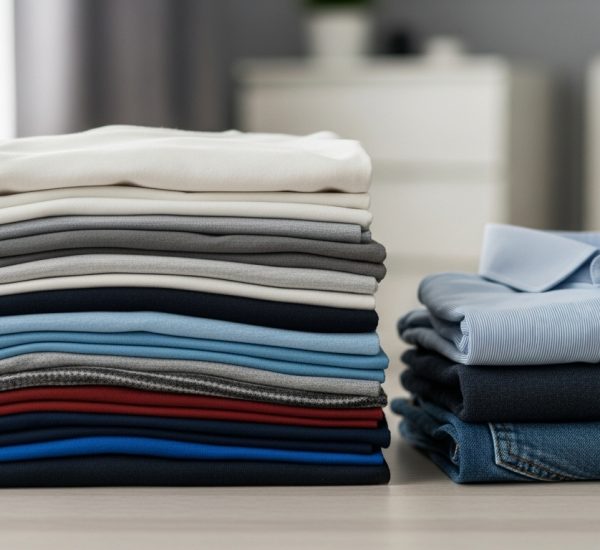
Add about five tablespoons of ammonia to your regular detergent. This proportion works well with around 500 ml of laundry detergent. The ammonia will boost the detergent’s power, helping to dissolve grease, neutralize odors, and disinfect your laundry.This method is particularly effective on clothes that have dull colors, sweat stains, or lingering odors. The result? Fabrics come out cleaner, fresher, and brighter.
-
For delicate fabrics like wool sweaters
If you’re washing woolens, use just one small capful of ammonia in the detergent compartment. Set the washing machine to a 30°C program and wash the sweater separately, without mixing it with other materials. Avoid spinning, or if necessary, use a very low spin cycle to protect the fibers. The ammonia helps clean without shrinking or damaging the wool. -
For cleaning the washing machine itself
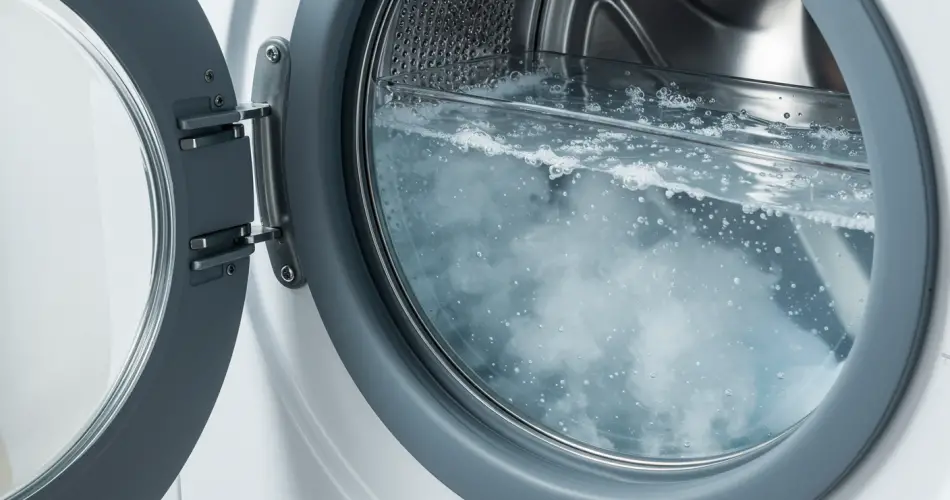
Ammonia isn’t just useful for cleaning clothes—it can also help maintain the washing machine. Over time, detergent residues, grease, and bacteria can build up inside, affecting the cleanliness of your laundry.To clean the machine, pour diluted ammonia directly into the detergent compartment and run a short, empty wash cycle. You can also use it with a sponge to clean the rubber seals, which often accumulate mold or dirt. The ammonia dissolves grime without damaging the metal drum or other internal parts.
Why It Works
The reason ammonia works so well in laundry is due to its degreasing and disinfecting power. Clothes often hold onto body oils, food stains, or soap residues that regular detergents struggle to fully remove. Ammonia breaks these down at a molecular level, allowing detergent to work more efficiently.
Unlike bleach, ammonia does not typically strip colors from fabrics. Instead, it helps brighten and restore vibrancy. That said, it’s always a good idea to test a small, hidden area of delicate garments before applying it to a full load.
Advantages of Using Ammonia in Laundry
-
Stain removal – Effective against grease, sweat, and stubborn marks.
-
Odor elimination – Neutralizes unpleasant smells like sweat or mildew.
-
Fabric-safe – Doesn’t usually fade colors or damage fibers when diluted.
-
Machine care – Cleans the washing machine itself, preventing buildup that can cause bad odors.
-
Cost-effective – Much cheaper than many specialty stain removers and fabric brighteners.
Important Warnings
While the benefits are clear, ammonia is not a product to be used carelessly. Keep these warnings in mind:
-
Do not use ammonia in every single wash—it’s best reserved for loads that need extra cleaning power or occasional machine maintenance.
-
Always dilute it; concentrated ammonia is too harsh for direct use on clothing.
-
Store it in a safe place, away from children and pets.
-
Ensure rooms are well-ventilated during use to avoid inhaling vapors.
Final Thoughts
Ammonia may seem like an old-fashioned cleaning product, but it remains one of the most effective tools for household care. In the laundry room, its ability to brighten fabrics, disinfect clothes, and tackle stubborn stains can truly make a difference. When used correctly, it can even extend the life of your washing machine by keeping it clean and residue-free.
The key is to respect its strength: always dilute, handle with care, and never combine it with bleach. If used responsibly, ammonia can help you achieve fresher, brighter, and more hygienic laundry—proving that sometimes, the simplest solutions are the most effective.