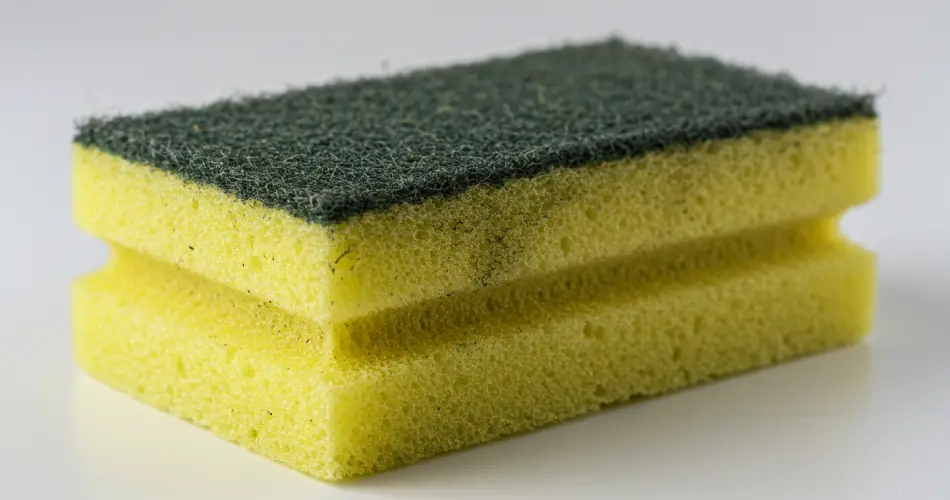
Even in households with dishwashers, the dish sponge is a staple tool that almost never disappears from the sink. Whether it’s scrubbing plates, wiping countertops, cleaning stainless steel sinks, or tackling the stove top, sponges are used daily in countless ways. But have you ever stopped to ask yourself how often a sponge should actually be replaced?
The truth might surprise you. While most people keep using the same sponge until it literally falls apart, experts warn that waiting this long could put your health at risk. The humble dish sponge is one of the dirtiest items in the entire kitchen—and when not replaced frequently, it can become a breeding ground for bacteria.
Why Kitchen Hygiene Matters
Good hygiene in the kitchen is essential to prevent bacterial contamination that could make you sick. Washing your hands with warm water and soap before handling food and after touching potentially contaminated items—like shopping bags or raw meat packaging—is only the beginning.
It’s also important to regularly clean and disinfect kitchen surfaces, sinks, and cooking equipment. This reduces the chances of cross-contamination, which happens when harmful bacteria transfer from one item to another, often from raw to cooked food.
For instance:
-
Use separate cutting boards and knives for raw meat and cooked food.
-
Store raw foods separately from cooked foods in the refrigerator.
-
Keep your fridge temperature at or below 4°C (39°F) to slow bacterial growth.
All these steps help, but what about the sponge you use every day? Unfortunately, if neglected, it can undo much of your hard work by spreading bacteria instead of removing them.
Why Dish Sponges Harbor So Many Bacteria
Sponges are soft, porous, and constantly moist—three qualities that make them the perfect breeding ground for microbes. Add to that leftover food particles and oils trapped inside the sponge fibers, and you’ve got an ideal environment for bacteria such as E. coli and Salmonella.
Even though dish sponges come into contact with soap and detergents, that doesn’t guarantee they are clean. In fact, studies have shown that sponges can contain more bacteria than a toilet seat. That’s because they remain damp for long periods and are rarely disinfected properly.
When used too long, instead of cleaning your dishes and counters, a sponge could be spreading invisible germs across every surface it touches.
When to Throw Out a Sponge
So, how often should you replace a dish sponge? The answer is: far more frequently than most people think.
-
Every 1–2 weeks – This is the recommended timeframe for replacing a kitchen sponge under normal household use.
-
Sooner if it smells or looks damaged – If your sponge develops a sour odor, changes color, or starts losing its shape, it’s time to toss it immediately.
Don’t wait until your sponge is falling apart in your hands—by then, it’s already a bacteria hotbed.
How to Keep a Sponge Cleaner Between Uses
While replacement is essential, there are also ways to extend a sponge’s life and keep it more hygienic during daily use.
1. Rinse and Squeeze Dry After Every Use
Always rinse the sponge thoroughly under hot water to remove soap and food debris, then squeeze out as much water as possible. Leaving it sitting wet in the sink encourages bacteria to multiply.
2. Allow Sponges to Air Dry Completely
Place your sponge in a spot where air can circulate around it, helping it dry quickly. Bacteria thrive in moisture, so a dry sponge is a cleaner sponge.
3. Disinfect Regularly
Even new sponges need regular disinfection. Here are some simple ways to sanitize them:
-
Boiling water method – Place the sponge in a pot of boiling water for a few minutes to kill bacteria.
-
Microwave method – Dampen the sponge, then microwave it on high power for about 1 minute. This exposes it to high heat that destroys microbes.
-
Vinegar and water solution – Mix equal parts white vinegar and water in a bowl, soak the sponge, then heat it in the microwave for 2 minutes.
Tip: Always make sure the sponge is wet before microwaving to avoid a fire hazard.
4. Run It Through the Dishwasher
If you have a dishwasher, the simplest option is to toss the sponge into the utensil basket and run a normal cycle. The high heat and detergent clean and disinfect it effectively.
Why You Shouldn’t Keep Sponges Too Long
No matter how careful you are with cleaning methods, sponges cannot be used indefinitely. Their porous structure breaks down over time, creating more tiny spaces where bacteria can hide. By replacing your sponge regularly, you reduce the risk of spreading harmful microbes across dishes, countertops, and other surfaces.
It’s also worth considering alternatives: some people prefer dish brushes or silicone scrubbers, which dry faster and don’t harbor as many bacteria as traditional sponges. Still, if you stick to sponges, the key is to keep them clean and replace them often.
Final Thoughts
Your kitchen sponge may look harmless, but in reality, it could be one of the most contaminated items in your home. Because of its soft, porous structure and constant exposure to food particles and moisture, it can quickly become a breeding ground for bacteria.
The best approach? Replace your sponge every 1–2 weeks, disinfect it regularly with heat or vinegar solutions, and always let it dry completely between uses. By following these simple steps, you’ll greatly reduce the risk of bacterial contamination and make your kitchen a safer, healthier place for food preparation.
The next time you notice your sponge smelling a little off, don’t hesitate—“throw in the sponge” and grab a fresh one. Your health is worth it.