If you’re a gardener looking for an effective, inexpensive, and natural way to nourish your plants, this homemade fertilizer recipe is just what you need. Commercial fertilizers can be costly, often contain chemicals that may harm your soil and plants in the long run, and sometimes aren’t environmentally friendly. Luckily, with a few simple ingredients found right in your kitchen or garden, you can prepare a powerful organic fertilizer that will keep your plants healthy, lush, and thriving—without spending a dime on store-bought products.
Why Choose Homemade Fertilizer?
Before diving into the recipe and instructions, let’s look at some reasons why homemade fertilizers are a great alternative:
-
Cost-effective: Uses everyday ingredients or natural waste from your kitchen or garden.
-
Chemical-free: Free from synthetic chemicals, making it safe for plants, soil, beneficial insects, and even pets.
-
Environmentally friendly: Reduces pollution and avoids toxic runoff.
-
Rich in nutrients: Contains essential nutrients your plants need like nitrogen, phosphorus, potassium, and trace minerals.
-
Promotes healthy soil biology: Helps build soil structure and supports beneficial microorganisms that improve nutrient absorption.
The Key Ingredients
This homemade fertilizer combines nutrient-rich materials that work synergistically to boost plant growth:
-
Eggshells: An excellent source of calcium, which strengthens cell walls and prevents diseases like blossom-end rot in fruits and vegetables.
-
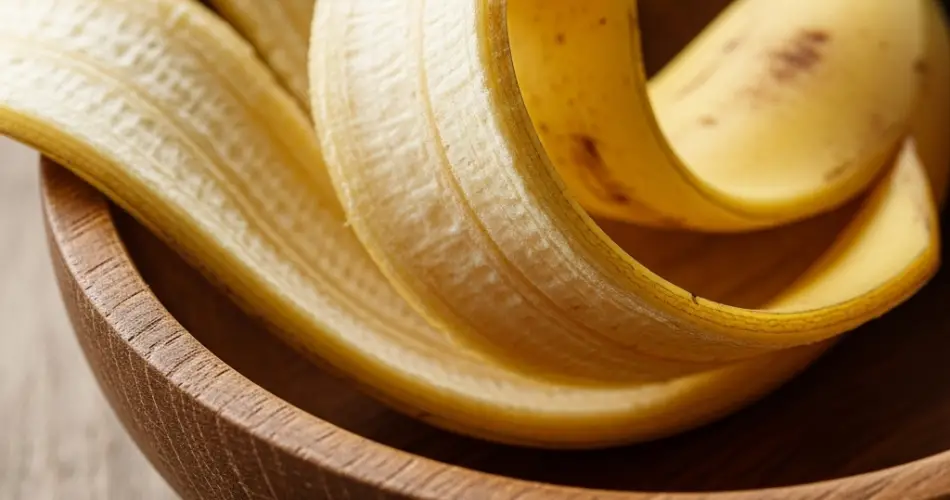
Banana peel: Rich in potassium and phosphorus, essential for flowering, fruiting, and overall plant energy.
-
Coffee grounds: Provide nitrogen and improve soil texture.
-
Water: To extract nutrients and create a liquid fertilizer.
How to Prepare the Homemade Fertilizer
Step 1: Collect your ingredients.
Gather the following:
-
4 to 5 eggshells
-
1 banana peel
-
2 tablespoons of used coffee grounds
-
1 liter (about 4 cups) of water
Step 2: Prepare the ingredients.
-
Crush the eggshells into small pieces to increase nutrient release.
-
Chop the banana peel into small bits for easier blending.
Step 3: Blend the mixture.
Place the crushed eggshells, banana peel pieces, and coffee grounds in a blender. Add the water and blend until you get a smooth mixture.
Step 4: Strain the liquid.
Pour the blended mixture through a fine sieve or cheesecloth into a container, separating the liquid fertilizer from the solids. The solids can be composted or added directly to your garden soil.
Step 5: Store and use.
Pour the liquid fertilizer into a spray bottle or watering can. Use immediately for best results, or store in the refrigerator for up to one week.
How to Apply Your Homemade Fertilizer
-
Frequency: Use this fertilizer once every two weeks during the growing season (spring through early fall). For indoor plants or slow-growing species, once a month may be enough.
-
Method: Apply the fertilizer directly to the soil around the base of your plants. You can also spray it lightly on leaves for foliar feeding, which allows plants to absorb nutrients quickly.
-
Amount: For potted plants, about 100 ml (a little less than half a cup) per plant is sufficient. For larger garden beds, adjust accordingly.
Benefits of This Fertilizer
-
Boosts growth: The calcium from eggshells strengthens plants structurally, while potassium and phosphorus from banana peels improve flowering and fruit development.
-
Improves soil health: Coffee grounds add organic matter and help maintain moisture retention.
-
Reduces waste: Using kitchen scraps promotes sustainability and reduces household waste.
-
Safe and gentle: Because it’s organic and free of harsh chemicals, this fertilizer supports beneficial insects and earthworms that keep your garden ecosystem balanced.
Tips for Best Results
-
Use fresh ingredients: The fresher your banana peel and coffee grounds, the more nutrients your fertilizer will contain.
-
Avoid over-fertilizing: While this mixture is gentle, applying too much fertilizer can still stress plants. Stick to the recommended schedule.
-
Complement with compost: Adding compost to your soil along with this fertilizer enhances soil fertility even more.
-
Adjust for plant type: Heavy feeders like tomatoes and peppers will benefit most, while succulents or cacti need less frequent feeding.
Troubleshooting Common Issues
-
Fertilizer smell: Because this fertilizer uses natural ingredients, it may have a mild odor. Make sure to dilute properly and apply outdoors or in well-ventilated areas.
-
Clogged spray bottle: If using a spray bottle for foliar feeding, strain carefully and clean the nozzle regularly.
-
Leaf burn: If you notice leaf spots or burns, dilute the fertilizer further and avoid spraying during the hottest part of the day.
Final Thoughts
With this simple homemade fertilizer, you’ll provide your plants with vital nutrients they need to grow strong, bloom beautifully, and produce abundant fruits or flowers. It’s an easy, sustainable, and cost-effective way to nourish your garden while reducing reliance on chemical fertilizers.
Once you try it, you might find yourself never needing to buy commercial fertilizers again. Plus, you’ll enjoy the satisfaction of knowing exactly what you’re feeding your plants—and that you’re doing so in a way that’s good for both them and the environment.
Start collecting your eggshells, banana peels, and coffee grounds today and watch your plants thrive like never before!


