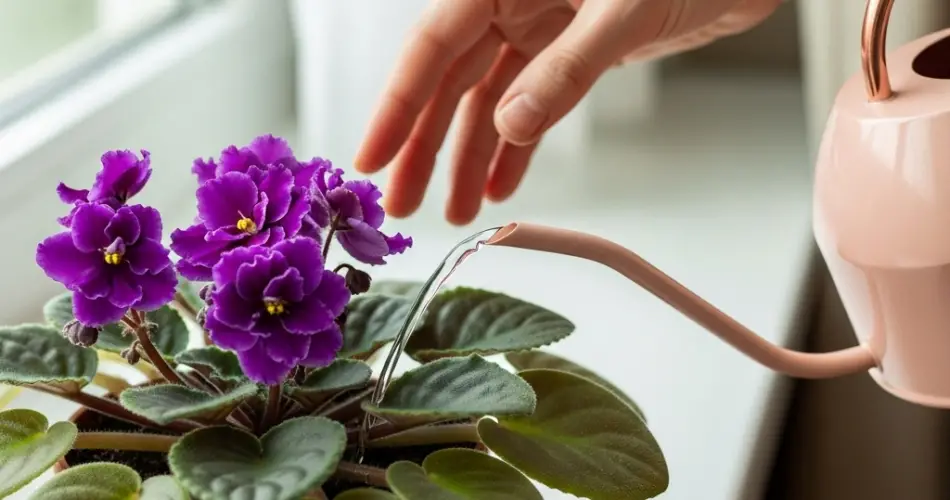
African violets are charming houseplants loved for their vibrant blooms and compact, velvety foliage. While they’re generally easy to grow, mastering the art of watering is essential to their health and continuous blooming. Overwatering and underwatering are among the most common mistakes plant owners make when caring for these tropical beauties.
Understanding how often to water, how much water to provide, and the best method for doing it can make all the difference between a thriving African violet and one that struggles. This guide will walk you through everything you need to know about watering African violets properly.
Understanding African Violet Needs
African violets (Saintpaulia) originate from tropical East Africa, where they grow in humid, shaded environments. They prefer consistent moisture but dislike soggy roots. The goal is to maintain slightly moist soil—not too wet and never dry for too long.
These plants also have fine, fuzzy leaves that can suffer from spotting or rot if they stay wet for extended periods. That’s why proper watering technique is as important as watering frequency.
How Often Should You Water African Violets?
There’s no fixed schedule for watering African violets. Instead, observe your plant and soil. A general rule is to water when the top inch of soil feels dry to the touch. Depending on your climate and indoor conditions, this might mean watering once a week, or every 4–5 days in drier environments.
Here are a few factors that affect watering frequency:
-
Pot size: Smaller pots dry out faster and may need more frequent watering.
-
Soil type: Light, porous soil drains quicker than heavy mixes.
-
Humidity: Higher humidity levels slow down moisture loss, while dry air causes quicker evaporation.
-
Season: Plants typically need more water during their growing season (spring and summer) and less during the dormant period (fall and winter).
Avoid waiting until the leaves wilt or curl—this means the plant is already stressed. With experience, you’ll learn to anticipate your plant’s needs before visible signs of thirst appear.
Best Watering Methods
There are two common methods for watering African violets: bottom watering and top watering with care. Each has its pros and cons.
1. Bottom Watering
This is the preferred method for African violets. It prevents the foliage from getting wet and ensures the soil absorbs moisture evenly.
How to bottom water:
-
Place the pot in a shallow dish or saucer filled with room-temperature water.
-
Let the plant sit for about 20–30 minutes, or until the topsoil feels moist.
-
Remove the pot and allow any excess water to drain out completely before placing it back on its tray.
Bottom watering reduces the risk of fungal diseases and leaf spotting.
2. Careful Top Watering
If you prefer top watering, you can still do so with care.
Tips for top watering:
-
Use a small-spout watering can or squeeze bottle to control water flow.
-
Gently water the soil around the plant’s base, avoiding the leaves.
-
Water slowly to allow the soil to absorb moisture without flooding.
-
Empty the saucer afterward to avoid root rot.
Water Quality Matters
African violets are sensitive to the minerals and chemicals in tap water, especially chlorine, fluoride, and heavy salts. If possible, use room-temperature distilled water, rainwater, or water that has been left out for 24 hours to allow chlorine to dissipate.
Cold water can shock the roots and cause leaf spotting. Always let water come to room temperature before using it.
Avoid These Common Mistakes
Even well-meaning plant owners can damage African violets with improper watering. Here are some common pitfalls to avoid:
-
Overwatering: One of the most frequent issues. If the soil stays soggy or the roots sit in water, the plant may develop root rot.
-
Water on leaves: Avoid getting the fuzzy leaves wet, as it can lead to spotting and mold.
-
Inconsistent watering: Letting the plant dry out completely and then overcompensating with heavy watering can shock the roots.
-
Ignoring drainage: Always use pots with drainage holes and never allow the plant to sit in standing water.
Signs You’re Watering Incorrectly
Watch for these signs that your African violet needs a change in its watering routine:
-
Wilting or drooping leaves: Could be a sign of either too little or too much water.
-
Mushy crown or roots: Indicates root rot from overwatering.
-
Leaf spotting or browning edges: Possibly from water on the leaves or poor water quality.
-
Slow growth and no flowers: May result from irregular watering or improper soil moisture levels.
Final Thoughts
Watering African violets isn’t complicated, but it does require consistency and care. Get familiar with your plant’s soil moisture needs, choose the right method of watering, and always be mindful of water temperature and quality. With the proper watering routine, your African violet will reward you with beautiful blooms and lush leaves all year long.


