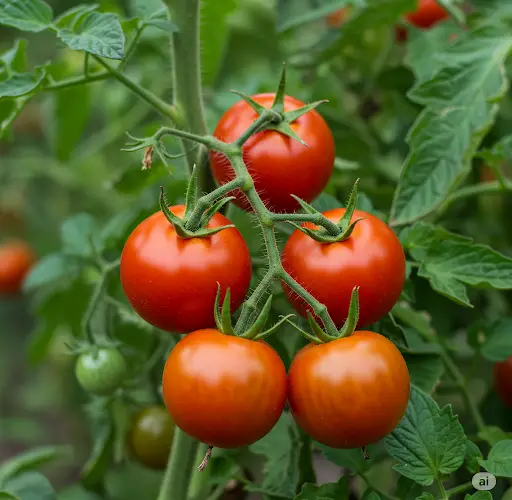
Tomatoes are among the most rewarding crops for home gardeners, offering rich flavor and abundant harvests. However, they are also vulnerable to a number of challenges, particularly late blight—a fungal disease that can quickly destroy a healthy plant. In addition to diseases, many gardeners also struggle with plants that grow lush foliage but produce very little fruit.
Fortunately, there is a simple natural treatment that addresses both problems. This method stimulates early fruiting and helps protect tomatoes from late blight by improving the plant’s health and resistance from the root upward. Easy to prepare and apply, this treatment can make a noticeable difference in both yield and plant vitality.
What Is Late Blight and Why Is It Dangerous?
Late blight is a fungal-like disease caused by Phytophthora infestans. It thrives in humid, wet conditions and spreads quickly through spores. Symptoms include:
-
Dark brown or black spots on leaves and stems
-
White fungal growth on the undersides of leaves
-
Wilting foliage
-
Rapid plant collapse
If not treated quickly, it can ruin an entire tomato crop in just a few days. This disease not only affects tomatoes but also potatoes and other nightshades.
What Causes Poor Fruiting?
Tomato plants need the right balance of nutrients to produce flowers and fruit. When nitrogen is too high and other elements like phosphorus and potassium are too low, the plant may grow lots of leaves but very few tomatoes. Additionally, if the plant is stressed by pests or disease, it focuses on survival rather than fruit production.
The All-Natural Solution: A Homemade Booster Spray
This treatment is a two-in-one tonic. It stimulates flowering and fruiting while also fortifying the plant’s immune system. The key ingredients are natural, affordable, and readily available.
Ingredients:
-
1 liter of water
-
1 tablespoon of baking soda
-
1 tablespoon of vegetable oil or natural soap (acts as a surfactant)
-
1 tablespoon of milk or whey
-
1 crushed aspirin (acetylsalicylic acid)
-
Optional: 1 teaspoon of wood ash or potassium-rich compost tea
Each component plays an important role:
-
Baking soda helps change the surface pH of the leaves, making it harder for fungal spores to germinate.
-
Vegetable oil or soap helps the solution stick to the leaves, improving effectiveness.
-
Milk or whey contains natural enzymes and beneficial microbes that fight fungi.
-
Aspirin acts as a systemic acquired resistance (SAR) activator—it mimics a natural hormone that tells the plant to strengthen its defenses.
-
Wood ash or compost tea provides potassium, which encourages flowering and fruiting.
How to Prepare and Use the Spray
-
Dissolve the crushed aspirin in the water.
-
Add the baking soda, oil or soap, and milk. Mix thoroughly.
-
Pour the solution into a spray bottle or garden sprayer.
-
Apply the spray to the entire tomato plant—leaves, stems, and soil surface.
Application timing:
-
Begin spraying once the plant has at least 4–6 true leaves.
-
Repeat every 7–10 days, especially after rainfall or watering.
-
Avoid spraying in direct sun—early morning or evening is best.
Immediate and Long-Term Benefits
1. Stimulates fruiting:
The potassium and aspirin promote flowering and support the hormonal processes that trigger fruit development.
2. Prevents late blight:
The antifungal properties of baking soda and milk create a protective barrier, while the aspirin helps the plant defend itself internally.
3. Safe and natural:
No chemicals or synthetic fungicides are needed. This formula is safe for organic gardens, pets, and pollinators.
4. Improves overall plant health:
Healthy plants resist pests and environmental stress better and produce more abundant, tastier fruit.
Additional Tips for Blight-Free, Fruitful Tomatoes
-
Space plants properly to allow good airflow and reduce moisture buildup.
-
Mulch the soil to reduce splashback of spores from the ground.
-
Prune lower leaves and side shoots to keep plants tidy and dry.
-
Water at the base of the plant, not from above, to avoid wetting leaves.
-
Rotate crops yearly and never plant tomatoes in the same spot each season if blight has occurred.
Final Thoughts
This natural tomato treatment is a game-changer. By using just a few everyday ingredients, you can trigger early and consistent fruiting while shielding your plants from one of the most devastating diseases—late blight. Regular application keeps plants strong, healthy, and productive throughout the season.
Whether you’re growing in containers, raised beds, or an open garden, this method fits easily into your gardening routine. If your tomato plants have struggled in the past, give this simple spray a try—you might be surprised how quickly they bounce back and start delivering beautiful, healthy fruit.


