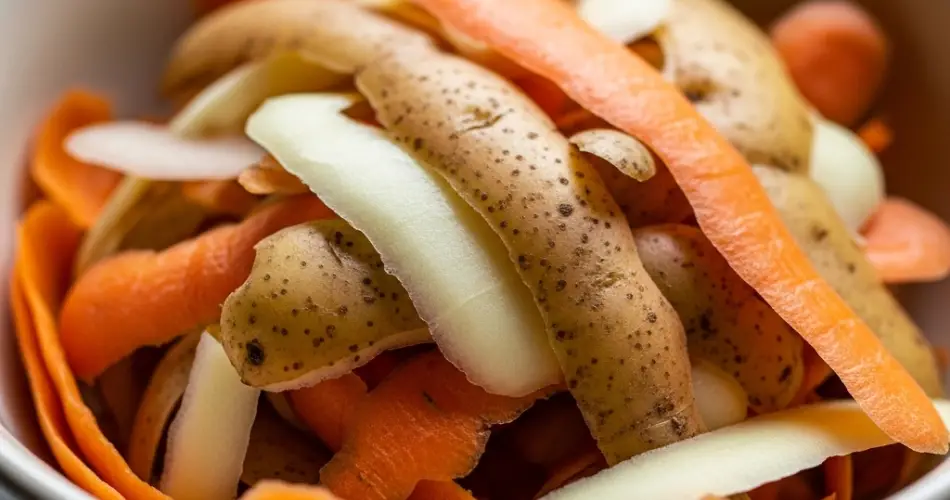
In the world of gardening, it’s easy to assume you’ve tried everything—especially when it comes to fertilizers. But nature always has another secret to reveal. What if some of the most powerful nutrients your plants need are already hiding in your kitchen waste? This homemade fertilizer is entirely free, easy to make, and incredibly effective for both indoor and outdoor plants.
Using common food scraps and a bit of water, you can create a nutrient-rich solution that supports healthy roots, lush leaves, and even encourages flowering. No chemicals, no fancy equipment—just pure organic nourishment straight from nature.
Why Choose Homemade Fertilizer?
Commercial fertilizers are convenient but often come with drawbacks: they can be expensive, over-fertilize the soil, harm beneficial microbes, and even damage plants when used improperly. Homemade fertilizers, on the other hand, are gentler on your plants and the environment. They improve soil structure, boost microbial life, and introduce a slow-release source of nutrients, all without polluting your garden.
Plus, you’re turning organic kitchen waste into something valuable instead of throwing it away.
The Key Ingredients
Here’s what you need to make this all-purpose, cost-free fertilizer:
-
Vegetable peels (like potato, carrot, or cucumber)
-
Fruit scraps (banana peels, apple cores, citrus peels)
-
Used coffee grounds or tea leaves
-
Eggshells
-
Stale bread or rice (optional)
-
Water (about 1 liter)
These items are packed with nutrients:
-
Banana peels are rich in potassium and phosphorus, promoting root strength and flowering.
-
Coffee grounds supply nitrogen, improving leaf growth and soil texture.
-
Eggshells are high in calcium, strengthening plant cell walls.
-
Fruit and vegetable scraps offer a broad spectrum of micronutrients.
How to Make the Fertilizer
-
Collect the scraps: Save your kitchen waste in a small container. You can refrigerate it for a few days until you have enough.
-
Blend with water: Place your scraps into a blender, add about 1 liter of water, and blend until the mixture is as smooth as possible. If using tougher peels (like citrus or pumpkin), chop them into smaller pieces before blending.
-
Strain (optional): For easier application, especially on potted plants, strain the mixture to remove large particles.
-
Store or use immediately: You can use the fertilizer right away or store it in the refrigerator for up to three days. Be sure to shake well before each use.
How to Apply
Pour the liquid directly onto the soil around your plants. Avoid wetting the leaves to prevent any residue buildup. Use this fertilizer once every 10 to 15 days for best results. Because it’s organic, it won’t burn the roots and can be used during all growth stages.
If you don’t strain the mix, you can bury the pulp into garden soil or the top layer of potting soil—this allows it to decompose slowly and feed your plants over time.
Ideal Plants for This Fertilizer
This homemade blend is suitable for nearly all types of plants, but it’s especially beneficial for:
-
Indoor houseplants such as pothos, peace lilies, and monstera
-
Flowering plants like geraniums, hibiscus, and orchids
-
Herbs and vegetables including basil, lettuce, tomatoes, and peppers
-
Fruit trees and shrubs when applied in the root zone
Tips for Success
-
Don’t overuse: While organic, it’s still nutrient-dense. Apply every two weeks, not daily.
-
Store in a cool place: If not used right away, keep your fertilizer in a sealed container in the fridge to prevent fermentation.
-
Compost the solids: If you strain your mix, don’t toss the pulp! Add it to your compost bin or mix it into garden beds.
-
Avoid oily or salted food scraps: Stick to raw, plant-based waste. Cooked or seasoned foods can harm plants or attract pests.
An Unexpected Transformation
Many gardeners who try this method report dramatic changes in their plants: greener leaves, stronger stems, and more frequent flowering. It’s a gentle, effective way to boost plant health while reducing kitchen waste.
Even neglected or weak plants can bounce back with a few applications of this natural tonic. It’s especially useful in the spring and summer when plants are actively growing and need a regular supply of nutrients.
Conclusion
Nature already provides everything your plants need. With this simple homemade fertilizer, you can feed your garden in a sustainable, affordable, and environmentally friendly way. What might seem like trash—fruit peels, coffee grounds, eggshells—becomes powerful nutrition that transforms your plants from struggling to thriving. Give this natural formula a try, and watch your plants reward you with healthy growth and vibrant blooms.


