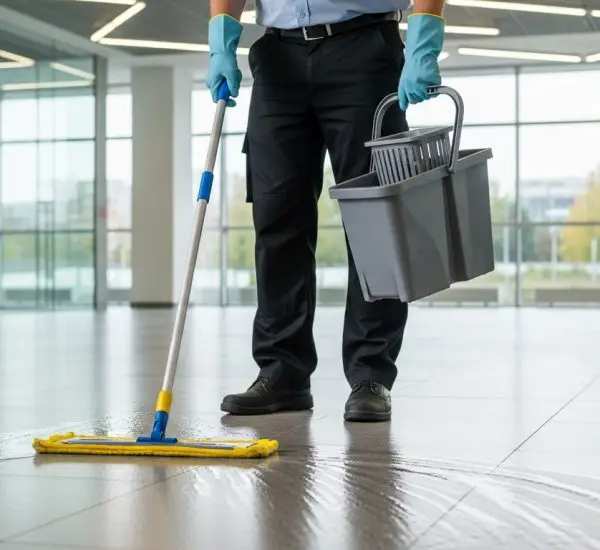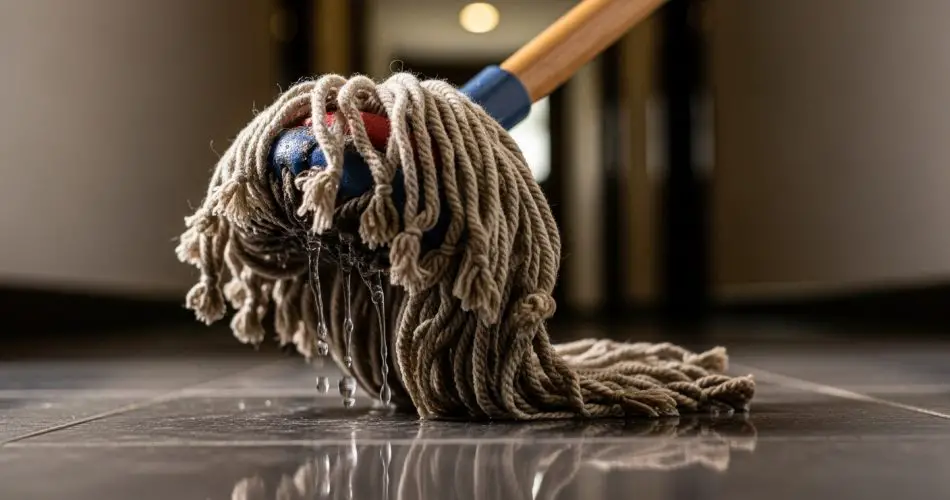
The mop is one of the most trusted allies in every household cleaning routine. Simple, effective, and versatile, it’s the go-to tool for washing floors, cleaning tiles, and tackling dirt in every corner of the house. But just like any cleaning tool, the mop itself needs to be cleaned regularly to stay hygienic and efficient. Over time, residue, bacteria, and grime can build up between its fibers, leaving it dirty, smelly, and far less effective. Fortunately, there’s a simple trick to make your mop look and smell as fresh as the day you bought it.
Why Cleaning Your Mop Is So Important
It’s easy to forget that the mop, while designed to clean, also collects a lot of dirt, bacteria, and debris. Each time you use it—whether to clean up spilled drinks, muddy footprints, or outdoor dust—it traps layers of grime deep within its fabric strands. Without proper maintenance, that trapped dirt can spread bacteria the next time you use it, leaving your floors less clean than before.
With regular use, especially if you clean outdoor spaces like balconies or patios, your mop can turn gray or even black. This doesn’t mean you need to throw it away and buy a new one. Instead, with just a few household ingredients and a bit of care, you can restore it to near-new condition—just like the day it came out of the package.
Cleaning your mop properly not only extends its lifespan but also ensures that your home remains truly clean and hygienic. A dirty mop can easily undo your cleaning efforts, spreading germs instead of removing them. That’s why giving it a good deep clean every few uses is essential.
Step 1: A Deep Soak to Loosen Dirt
The first and most effective step to revitalize your mop is to soak it in a natural cleaning solution. Fill a large basin or bucket with warm water and add a generous spoonful of baking soda. Let the mop head soak in the mixture for at least two hours.
Baking soda is a natural deodorizer and mild abrasive, making it perfect for breaking down built-up grime and neutralizing unpleasant odors. During the soaking process, it works its way into the fibers of the mop, dissolving residues and releasing dirt particles that have accumulated over time.
If the mop is heavily soiled or stained—perhaps after cleaning outdoor areas—you can substitute the baking soda with a mild bleaching detergent or oxygen-based whitener. These stronger cleaning agents help restore the original color of the mop, making it look brighter and cleaner.
Step 2: Machine Wash for Deep Cleaning
Once the mop has soaked for a few hours and the worst of the dirt has loosened, it’s time for a deeper clean. The next step is to machine wash the mop head. Not all mop heads are suitable for this, so check the material first.
If your mop head has a detachable cotton or microfiber pad, you can safely place it in the washing machine. Use a hot wash cycle if the material allows—heat is excellent for killing bacteria and removing embedded dirt. You can add a small amount of laundry detergent and, if necessary, a bit of white vinegar to eliminate any lingering odors.
However, if the mop has plastic components attached, use a lower temperature wash or a gentle handwash cycle. Excessive heat might deform the plastic or cause it to crack over time.
Avoid using fabric softener—it can coat the fibers and reduce their absorbency. The goal is to make the mop as clean and fresh as possible, not to make it soft or perfumed.
Step 3: The Critical Drying Process
You might think that once washed, your job is done—but the drying stage is the most important step of all. A mop that dries slowly or unevenly can easily develop mold and bacteria, which thrive in damp environments. That musty smell that sometimes comes from cleaning tools? It’s usually a sign of improper drying.
After washing, take a few moments to untangle and separate the mop strands. This helps air circulate more freely between the fibers, ensuring that it dries completely.
If the weather is warm and sunny, hang the mop outside in direct sunlight. Sunlight is a natural disinfectant—it kills bacteria and helps remove any remaining odor. The heat and airflow will also ensure a quick and thorough dry.
During the colder months, when drying outdoors isn’t an option, place the mop near a heat source like a radiator, a stove, or a dehumidifier. Avoid leaving it crumpled or stored in a closed container while damp, as this can cause mold growth within hours.
By drying it properly after each cleaning, you’ll prevent unpleasant smells and keep your mop fresh and ready for its next use.
Bonus Tip: Preventing Dirt Build-Up
If you want to keep your mop in top condition longer, don’t wait until it looks filthy to clean it. Rinse it thoroughly after each use with hot water and a splash of vinegar or baking soda. Wring it out well before storing it and make sure it always dries in a well-ventilated place.
Also, avoid using the same mop for both indoor and outdoor cleaning. Dirt, dust, and outdoor debris can easily make your mop deteriorate faster. Having one mop for inside the house and another for outdoor surfaces like terraces or balconies is a simple way to keep both your tools and floors cleaner.
Step 4: When to Replace Your Mop
Even with proper care, no mop lasts forever. Over time, the fibers will start to fray, lose their absorbency, or simply stop cleaning effectively. As a general rule, replace your mop every three to six months if you clean frequently, or sooner if you notice signs of wear and tear.
Still, with the right cleaning and drying routine, you can significantly extend its lifespan. A well-maintained mop not only saves you money but also ensures your cleaning routine remains effective and hygienic.
The Final Result
After following all these steps—soaking, washing, and drying—you’ll be surprised at how fresh and clean your mop looks. It will be almost as if it just came out of the packaging: bright, soft, and ready to tackle another round of cleaning.
Keeping your mop clean is one of those simple household habits that make a big difference. With just a bit of effort, you can transform a grimy, worn-out mop into a sparkling-clean tool, ready to make your home shine again.
Because when your cleaning tools are clean, your home can truly be clean too.