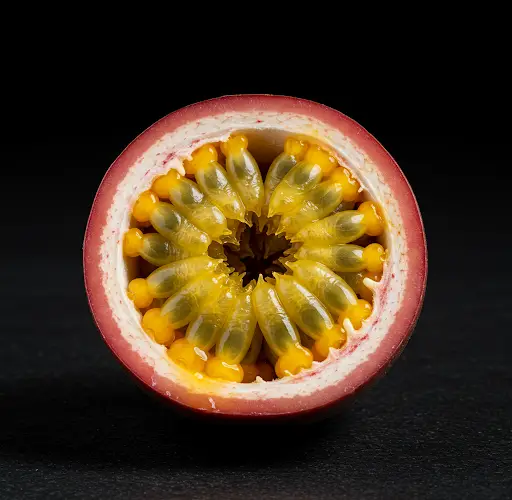
How to Prune Passion Fruit for Faster Fruit Production: Second Pruning Tip
If you’ve been growing passion fruit (Passiflora edulis) for a while and are frustrated by the lack of fruit, don’t worry. There’s a simple technique to help your plants produce fruit much faster. The key is pruning, and today I’ll be teaching you how to perform the second pruning of your passion fruit vine to accelerate the fruiting process.
Understanding Passion Fruit Growth
Passion fruit vines require a few important steps to thrive and bear fruit. It’s not enough to just plant them in the ground or in a pot. Proper care, including regular pruning, is essential to ensure they grow quickly and produce fruit at the right time. For passion fruit, there are typically three key pruning stages to follow. Today, we’ll focus on the second pruning stage.
When to Perform the Second Pruning
By the time your passion fruit vine reaches a height of about 2 to 2.5 meters (around 6.5 to 8 feet), it’s time for the second pruning. This stage comes after the first pruning, which encourages the plant to branch out, and before the final pruning, which helps the plant focus on producing fruit.
If you’re following the pruning steps correctly, your passion fruit vine will be in full growth mode by now. The vine should be well-established, with strong branches reaching upwards. At this stage, you should start seeing flowers form, which is a clear sign that fruit production is imminent.
Steps for Second Pruning
-
Locate the Top of the Vine: First, find the main stem of the vine. You’ll be looking for a place where the vine has grown to about 2 meters in height. This is the point where you will cut. Don’t worry; cutting here won’t harm the plant. It’s actually necessary for encouraging lateral growth, which will eventually bear fruit.
-
Cut the Top of the Vine: Once the vine reaches about 2 meters, simply cut the tip of the vine. You might be wondering if cutting the top will harm the plant, but rest assured, it won’t. This cut will stimulate the vine to produce more side shoots from the leaf axils, which are the spaces where the leaves meet the stem. These new shoots are where the passion fruit flowers will develop.
-
Encourage Lateral Growth: After cutting the main vine, you will notice new branches beginning to sprout from the cut area. These lateral branches are the ones that will eventually flower and produce fruit. As these branches grow, make sure to guide them in the direction you want them to go—this is important if you’re growing your vine along a trellis or fence.
-
Prune Any Excess Growth: Keep an eye on any excess growth or unnecessary branches that might appear on the main stem. If you notice branches that are growing inwards or are crowded, trim them back. This helps improve airflow and light exposure to the plant, ensuring healthy growth and better fruit production.
-
Proper Plant Care: The key to a successful passion fruit harvest is ensuring that the plant gets plenty of sunlight, water, and nutrients. Make sure the soil is well-drained and rich in organic matter. Regular fertilizing with a balanced fertilizer will help promote strong vine growth and encourage flowering.
Why Pruning is Essential for Faster Fruit Production
Pruning passion fruit vines is crucial because it helps the plant focus its energy on producing flowers and fruit, rather than growing excessively tall. The cut encourages the vine to branch out more, which leads to more flowers and eventually more fruit. Without proper pruning, the vine might focus too much on growing in height, leading to poor flowering and low fruit yields.
By the time the second pruning is complete, your plant should be well-established, with multiple branches that will soon be covered in flowers. The flowers will eventually turn into the delicious, tangy passion fruits that everyone loves.
Tips for Success
-
Monitor the Growth: Keep an eye on how your passion fruit vine is developing. If you notice any unhealthy growth or pest issues, take action immediately. Remove any damaged or infected parts of the plant to keep it healthy.
-
Proper Watering: Passion fruit vines need consistent watering, especially during hot weather. Make sure to water the plants regularly, but don’t let the soil become waterlogged, as this can lead to root rot.
-
Fertilization: A healthy, well-fed plant is more likely to produce fruit. Fertilize your passion fruit vine with a balanced, nitrogen-rich fertilizer to support growth and development. A good fertilizer application in early spring can encourage the vine to start producing flowers sooner.
-
Be Patient: While the second pruning helps speed up fruit production, it’s important to remain patient. Passion fruit vines can take several months to begin flowering, and the time it takes to produce fruit will depend on various factors, such as weather, soil quality, and plant care.
Conclusion
Pruning is one of the most important aspects of growing a successful passion fruit vine. The second pruning, which involves cutting back the main stem to encourage lateral growth, will help your plant start producing fruit more quickly. If you follow these steps and take good care of your plant, you’ll soon see flowers—and eventually, fruit—growing on your vine.
With proper pruning, fertilization, and care, your passion fruit vine can go from a small plant to a bountiful fruit producer in no time. Enjoy the process, and soon you’ll be harvesting delicious, home-grown passion fruits right from your garden!


