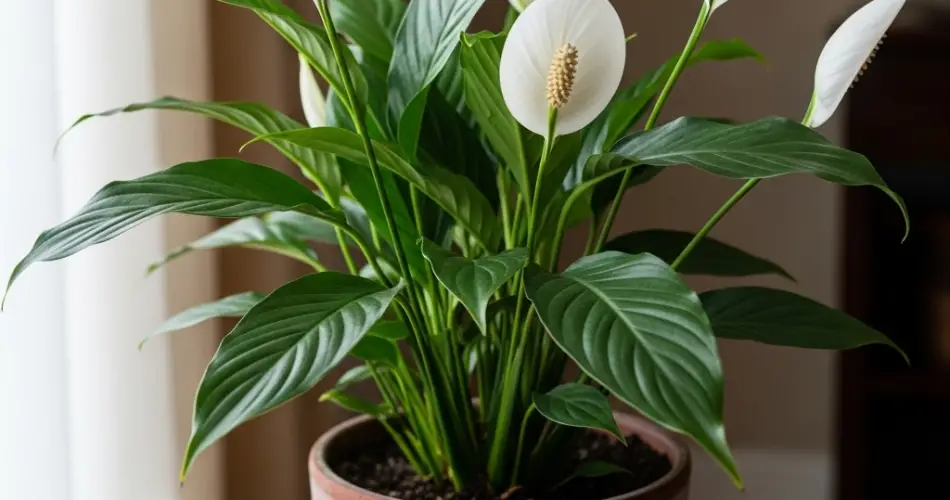
The peace lily is one of the most elegant indoor plants, admired for its lush green foliage and striking white blooms. While it is relatively easy to care for, getting your peace lily to flower consistently requires more than just occasional watering. With the right care and attention, you can encourage healthy growth and regular blooming. Below are ten proven techniques to help your peace lily thrive and display its graceful flowers throughout the year.
1. Provide the Right Light Conditions
Peace lilies naturally grow under the canopy of tropical forests, where they receive bright but filtered light. Too much direct sunlight can scorch their leaves, while very low light reduces their ability to produce flowers. The best location is near a north- or east-facing window where the plant gets soft, indirect light. If your peace lily isn’t blooming, consider moving it to a brighter spot, but avoid harsh afternoon sun.
2. Maintain Consistent Watering
Watering is crucial for peace lilies. These plants like their soil to remain consistently moist, but not soggy. Check the soil regularly, and water when the top inch feels dry. When watering, soak the soil thoroughly until water drains out of the bottom of the pot. Always empty the saucer afterward to prevent root rot. Balanced watering keeps the plant healthy, which in turn encourages flowering.
3. Use Quality Water
Peace lilies are sensitive to chemicals like chlorine and fluoride found in tap water. These substances can cause brown leaf tips and reduce blooming. To avoid this, use distilled or filtered water, or let tap water sit overnight so the chemicals evaporate before using it. Rainwater, if available, is another excellent choice.
4. Feed With the Right Fertilizer
During the growing season (spring and summer), feed your peace lily with a balanced, water-soluble houseplant fertilizer every six to eight weeks. Look for a formula with a slightly higher phosphorus content, as phosphorus supports flower production. Avoid over-fertilizing, as this can cause leaf burn and disrupt blooming.
5. Keep the Temperature Comfortable
Peace lilies thrive in warm indoor conditions similar to their tropical origins. Maintain a temperature range of 18–27°C (65–80°F). Sudden drafts, cold air, or proximity to heating vents can stress the plant and prevent flowering. Keeping the plant in a stable environment will allow it to focus energy on producing blooms.
6. Boost Humidity Levels
Humidity plays an important role in peace lily health. Dry indoor air, especially in winter, can cause leaf tips to brown and reduce blooming potential. To maintain adequate humidity, mist the leaves lightly, place the pot on a tray filled with pebbles and water, or use a room humidifier. Consistent humidity replicates the peace lily’s native environment and encourages better flowering.
7. Prune and Groom Regularly
Removing dead or yellowing leaves helps the plant redirect its energy toward new growth and flowering. After a bloom fades, cut the flower stalk at its base to encourage the plant to produce more. Grooming not only keeps the peace lily looking attractive but also supports its ability to bloom repeatedly.
8. Repot When Necessary
If your peace lily has become root-bound, it may stop blooming. Overcrowded roots limit nutrient and water absorption. Check the roots by gently removing the plant from its pot. If they are circling tightly around the soil, it’s time to repot into a container one size larger with fresh, well-draining potting mix. Repotting gives the plant renewed energy to grow and flower.
9. Watch for Stress Signals
Stress is one of the biggest factors that prevents peace lilies from blooming. Overwatering, underwatering, low light, pests, or sudden changes in environment can all put the plant under strain. By paying attention to warning signs such as drooping leaves, yellowing, or brown tips, you can adjust care quickly and help your peace lily recover its strength to bloom again.
10. Be Patient and Consistent
Lastly, remember that peace lilies bloom in cycles. Even with perfect care, they may have resting periods between flowering phases. Consistency in care is more important than quick fixes. Provide steady conditions, and your plant will reward you with flowers when it is ready. Patience, paired with proper care, is the ultimate technique for enjoying long-lasting blooms.
Conclusion
Encouraging your peace lily to bloom regularly is all about creating the right balance of light, water, nutrients, and care. By following these ten techniques—ranging from correct watering and fertilization to ensuring proper humidity and pruning—you can provide the ideal environment for your plant to thrive. With time and consistency, your peace lily will reward you with its graceful white flowers, bringing beauty and serenity to your indoor space.


